The building
The third palace to stand on this ground
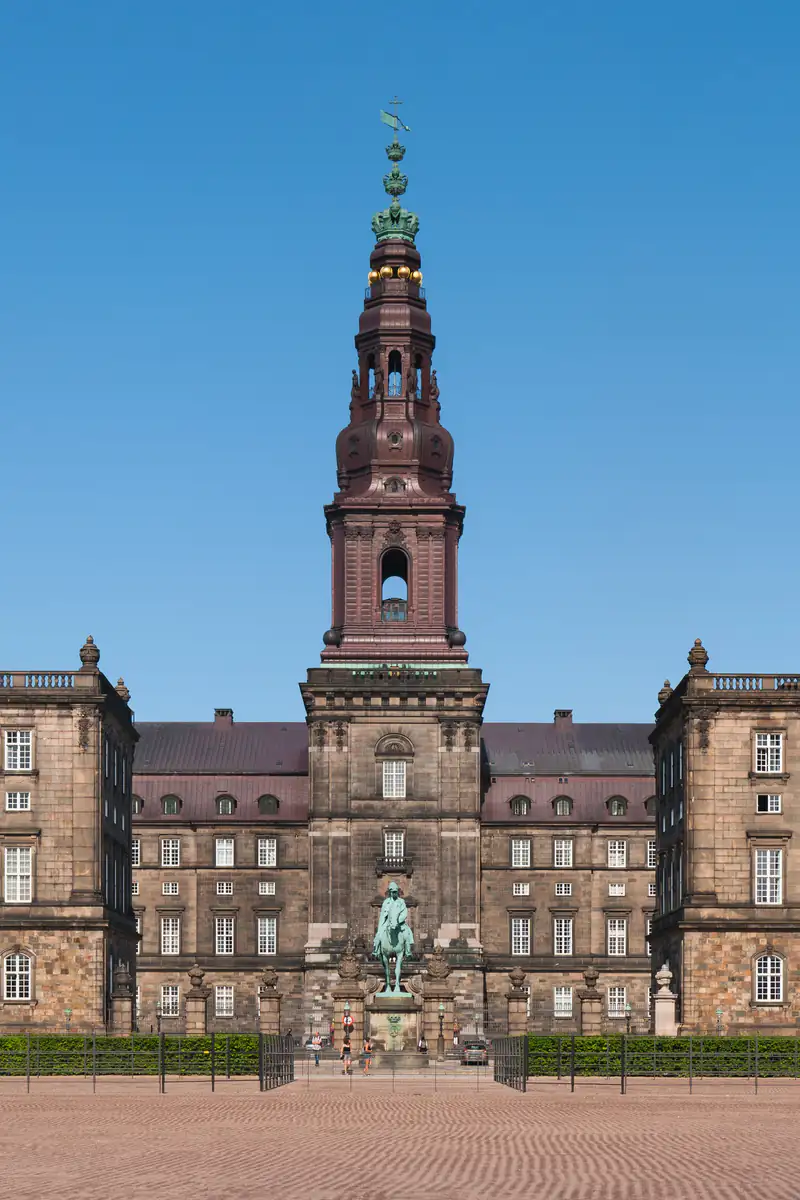
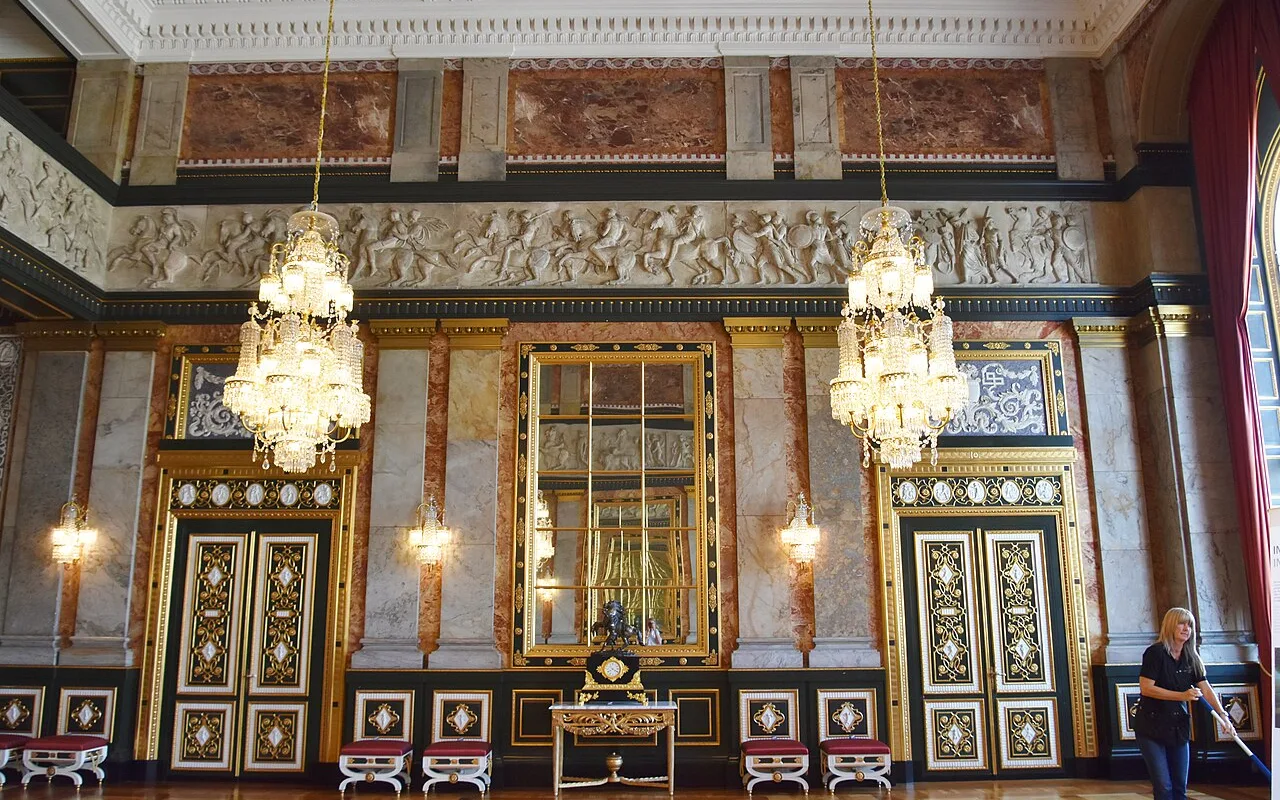
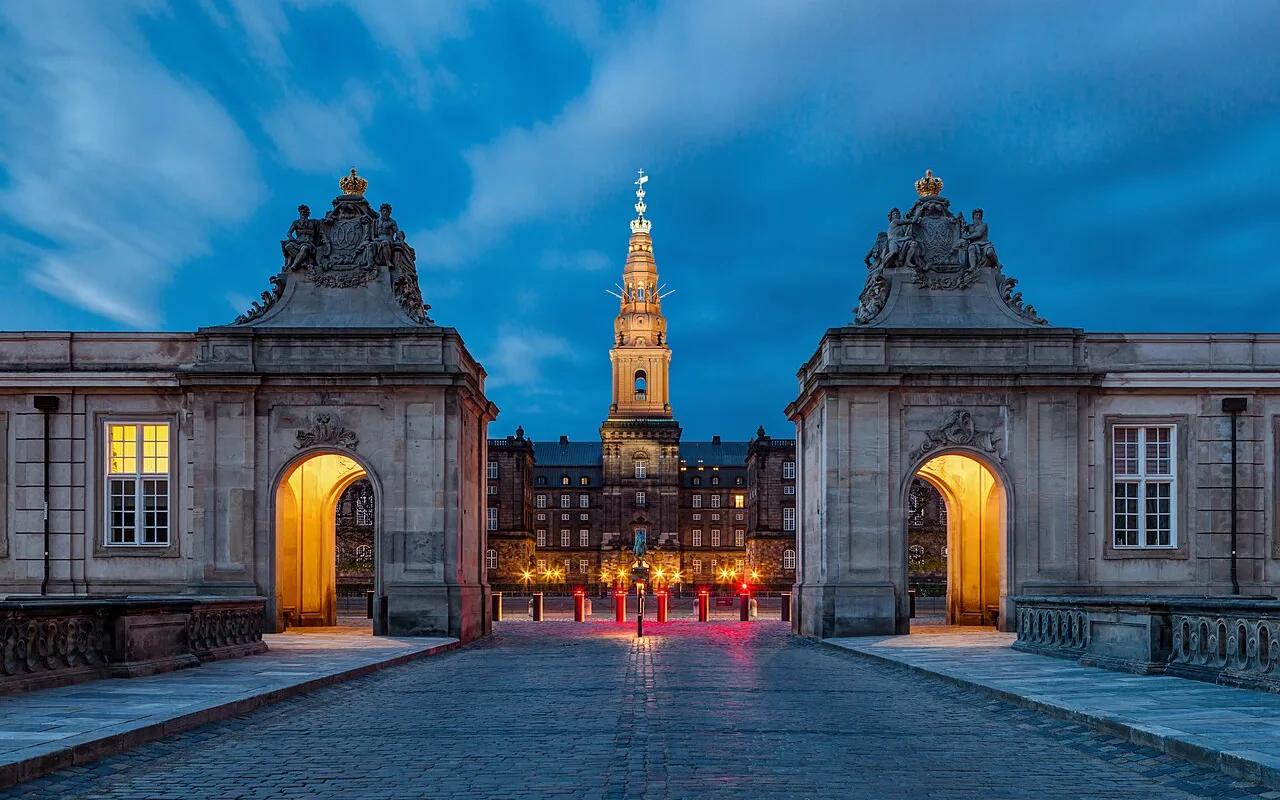
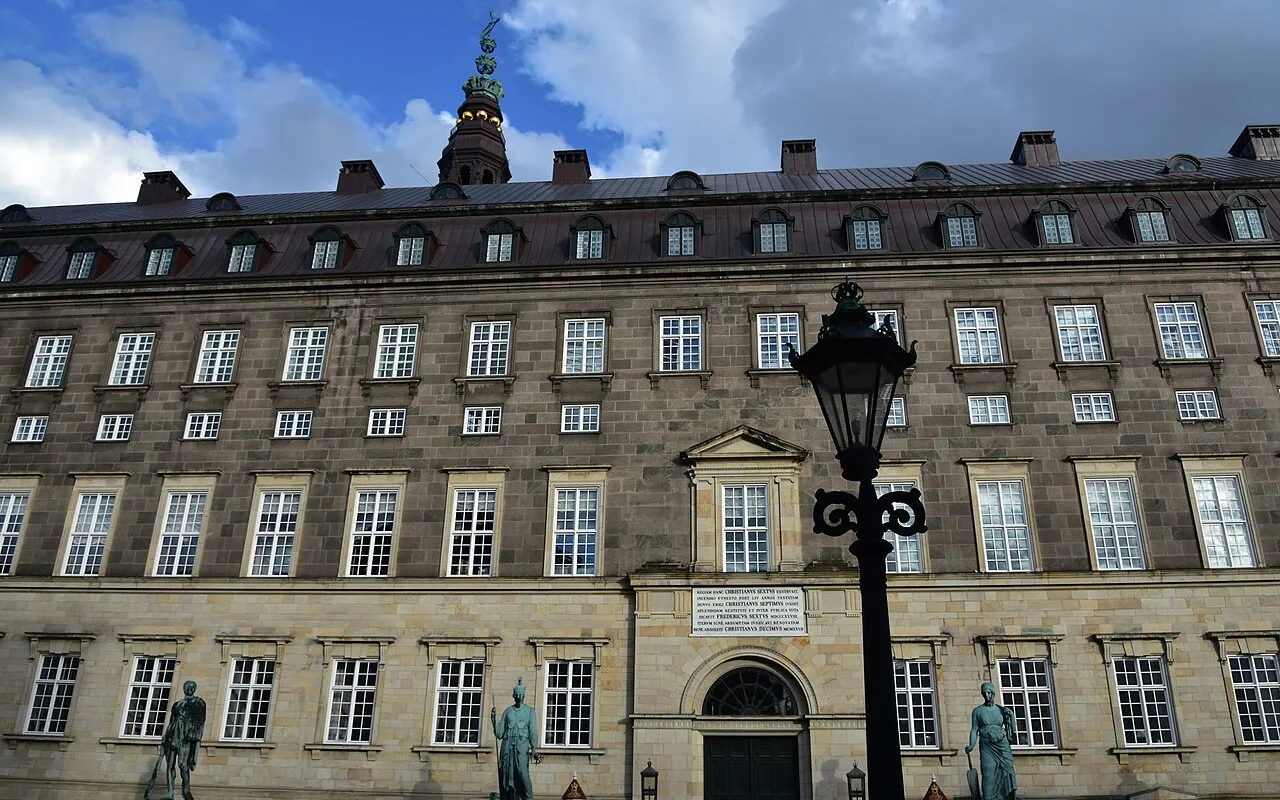
Christiansborg stands on Slotsholmen, a small island in the middle of Copenhagen, and it is the only building in the world that houses all three branches of a country's government: the Danish Parliament, the Prime Minister's Office and the Supreme Court. The monarch still uses part of it too. The Royal Reception Rooms are where the King holds audiences, hosts gala banquets and state dinners, and receives guests at the New Year's levée.
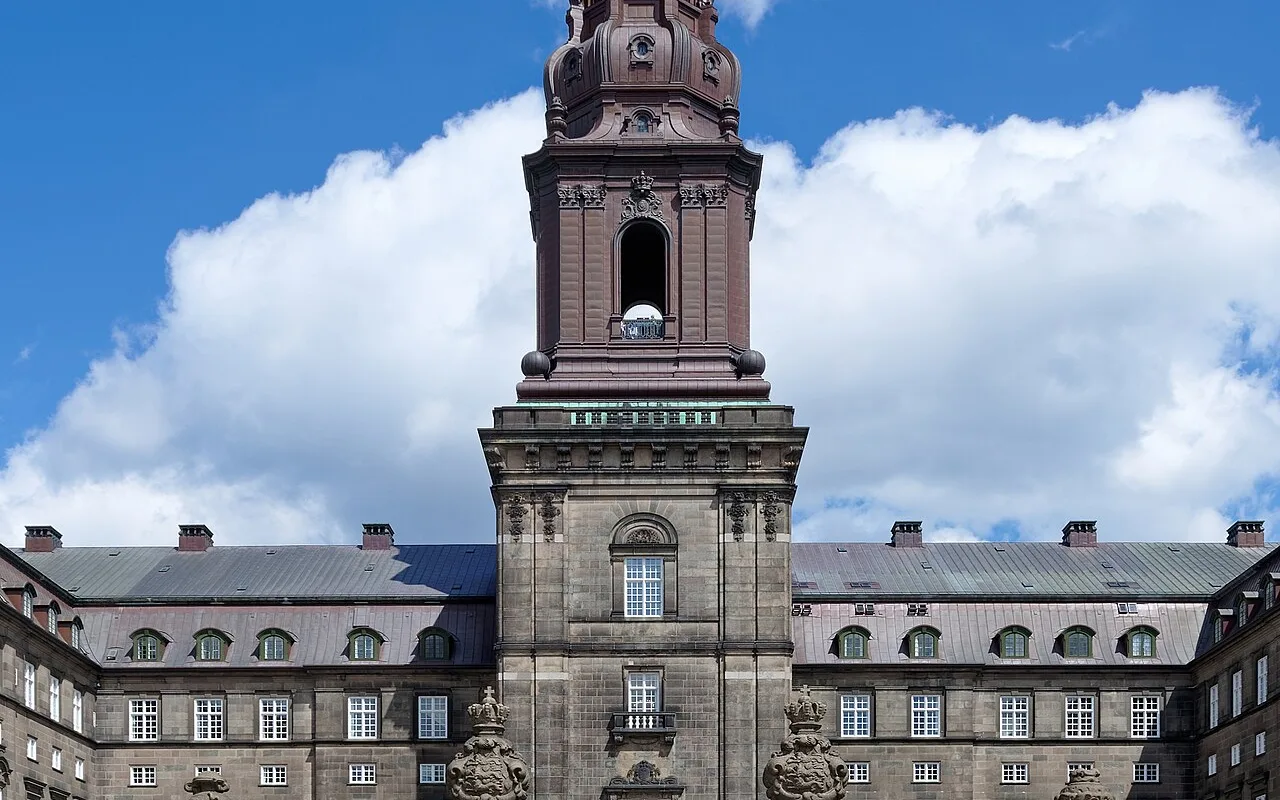
The palace you see is the third Christiansborg on this spot. The first, a baroque palace begun for Christian VI in 1733, burnt in 1794; only the riding ground and stables survived. C. F. Hansen's neoclassical second palace burnt in 1884. The present building, designed by Thorvald Jørgensen in a neo-baroque style, was built between 1907 and 1928, and its tower rises to 106 metres, still the tallest in the city.
Underneath it all lie the ruins of the castle Bishop Absalon built in 1167 and of Copenhagen Castle, which replaced it in the late 14th century. Workers found them while laying the foundations of the present palace, and the ruins have been open to the public since 1924. You walk among walls that were the seat of Danish kings for centuries before the first Christiansborg was even planned.
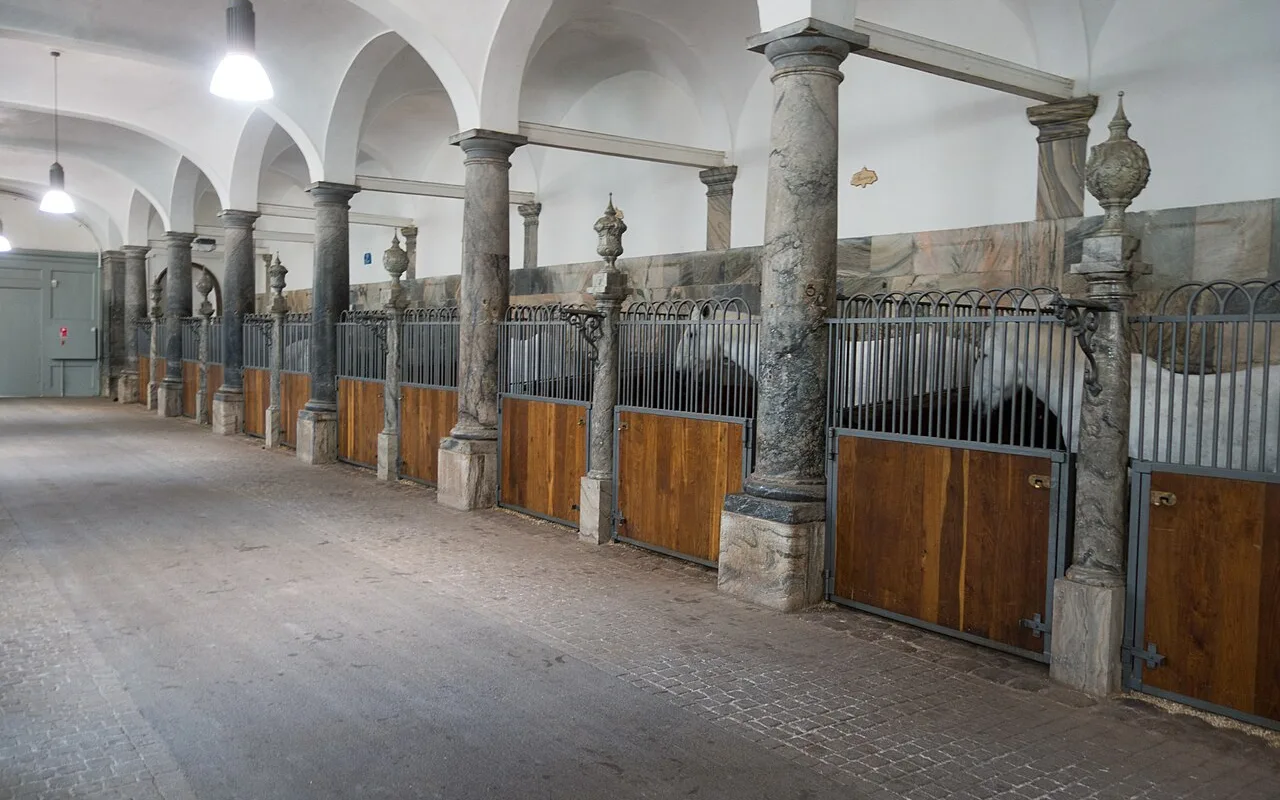
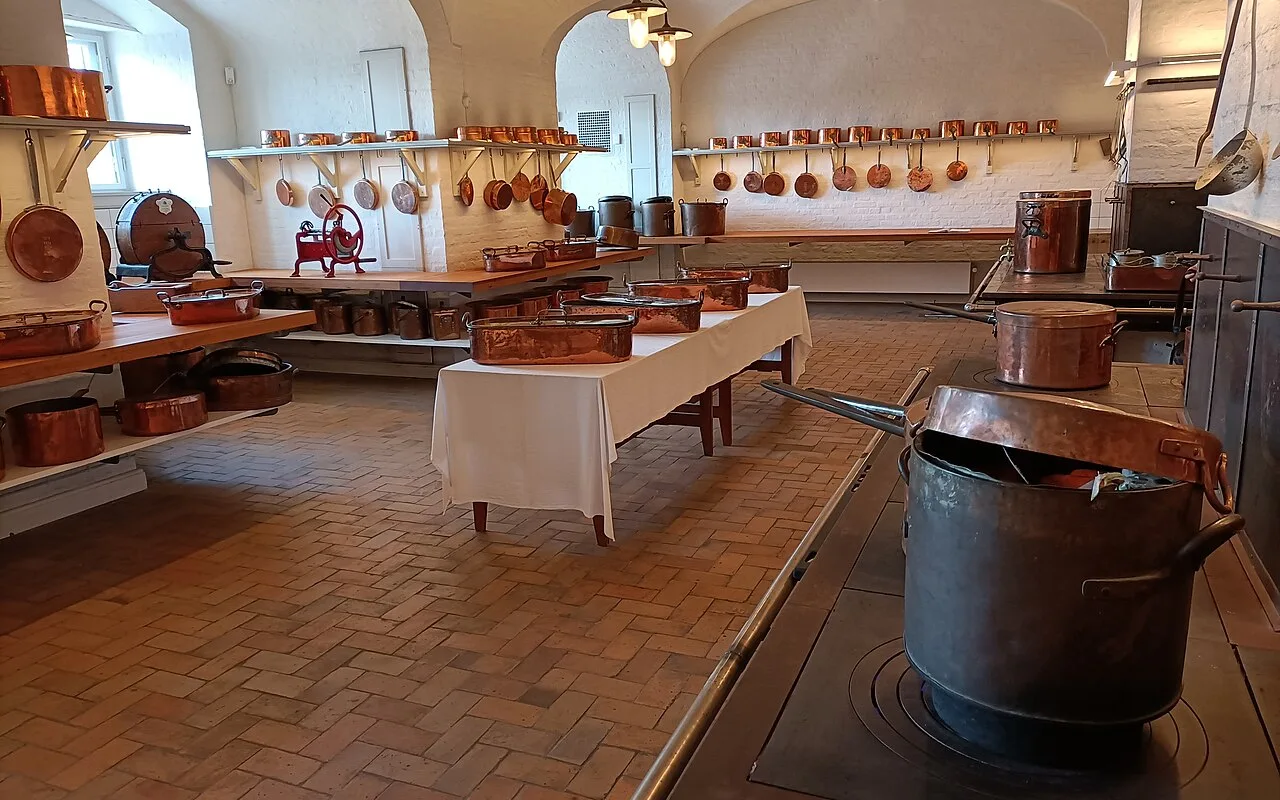
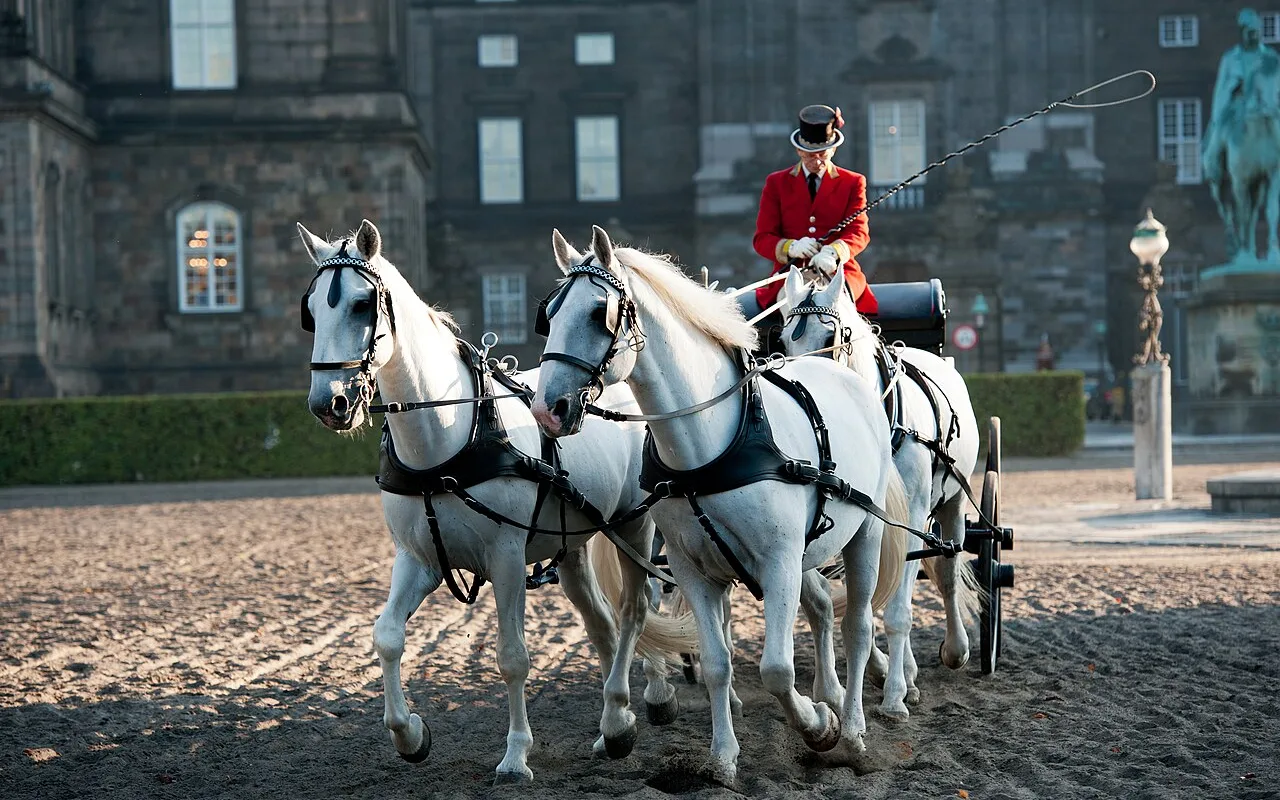
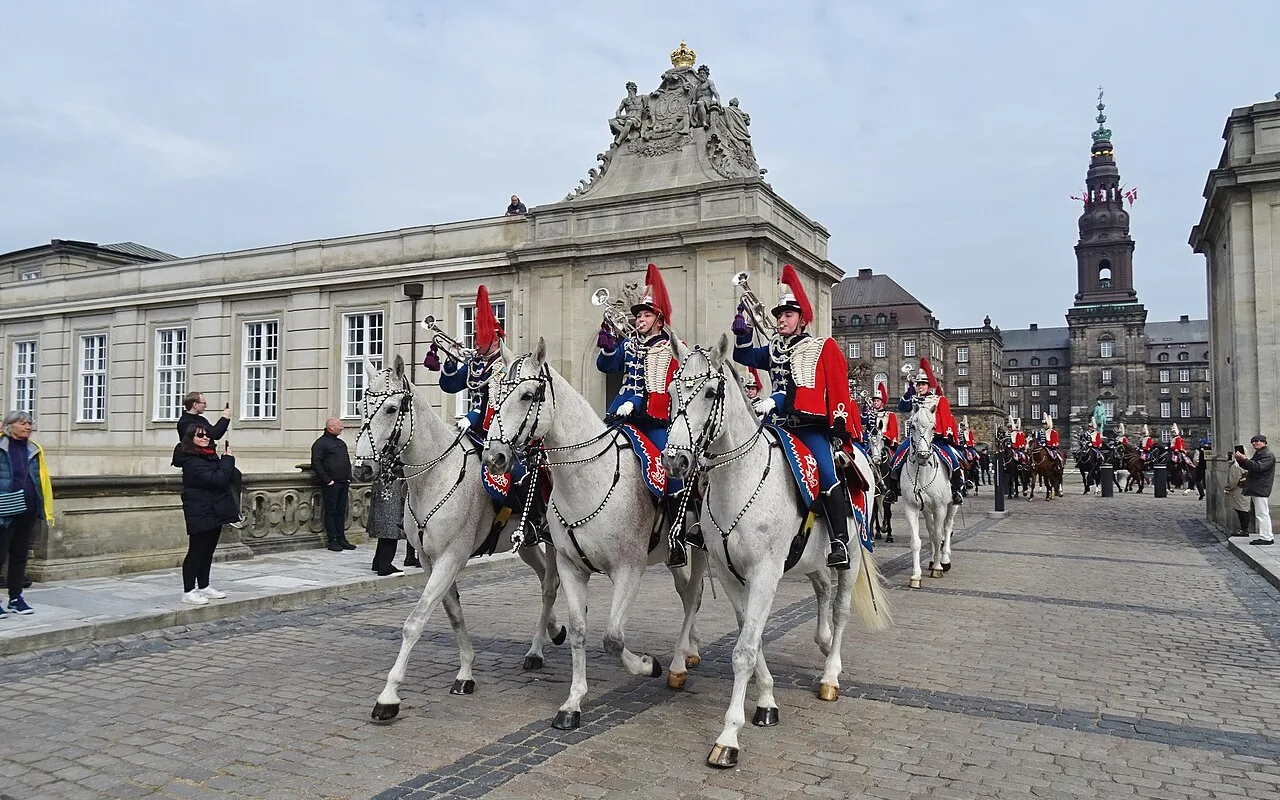
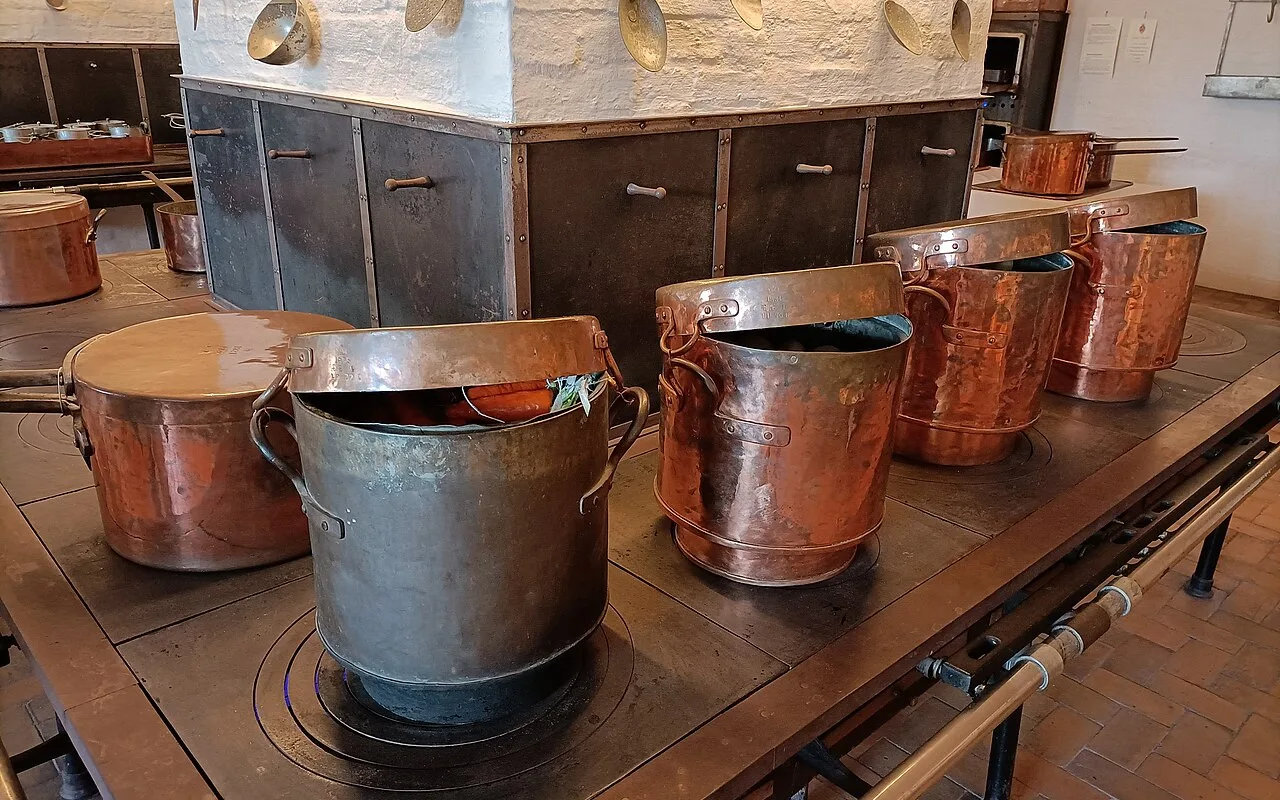
Upstairs, the Great Hall is 40 metres long and seats 400 dinner guests beneath Bjørn Nørgaard's 17 tapestries, which tell a thousand years of Danish history and were hung in 2000. The oval Throne Room opens onto the balcony where new monarchs are proclaimed, most recently King Frederik X on 14 January 2024. Below ground, the Royal Kitchen holds one of Europe's largest collections of copper cookware, and across the riding ground the Royal Stables still keep the royal horses and coaches.